
Navy testing autonomous transit for high speed, cargo ship
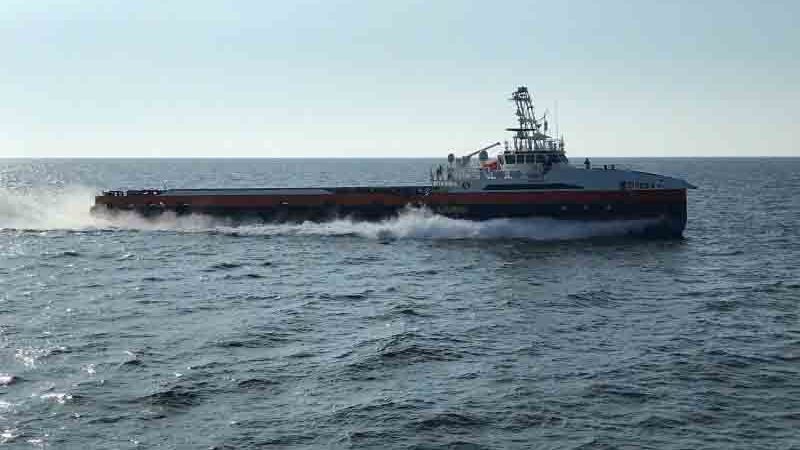
EPF-13 is expected to be the first operational US Navy ship capable of autonomously transiting a commercial sea lane.
EPF-13 is expected to be the first operational US Navy ship capable of autonomously transiting a commercial sea lane.
The program produced four vessels that will now be at the Navy’s disposal.


Blending superior optics, advanced stabilization and AI-powered autonomy in a compact and rugged system, ASELFLIR 600 delivers unmatched intelligence, surveillance and reconnaissance (ISR) capabilities.
“We've got FFG-62. We're going to have another DDG variant at some point and then we've got the unmanned stuff. How do I introduce it to the fleet? What does that look like?” said Vice Adm. Roy Kitchener, the service’s top surface warfare officer.
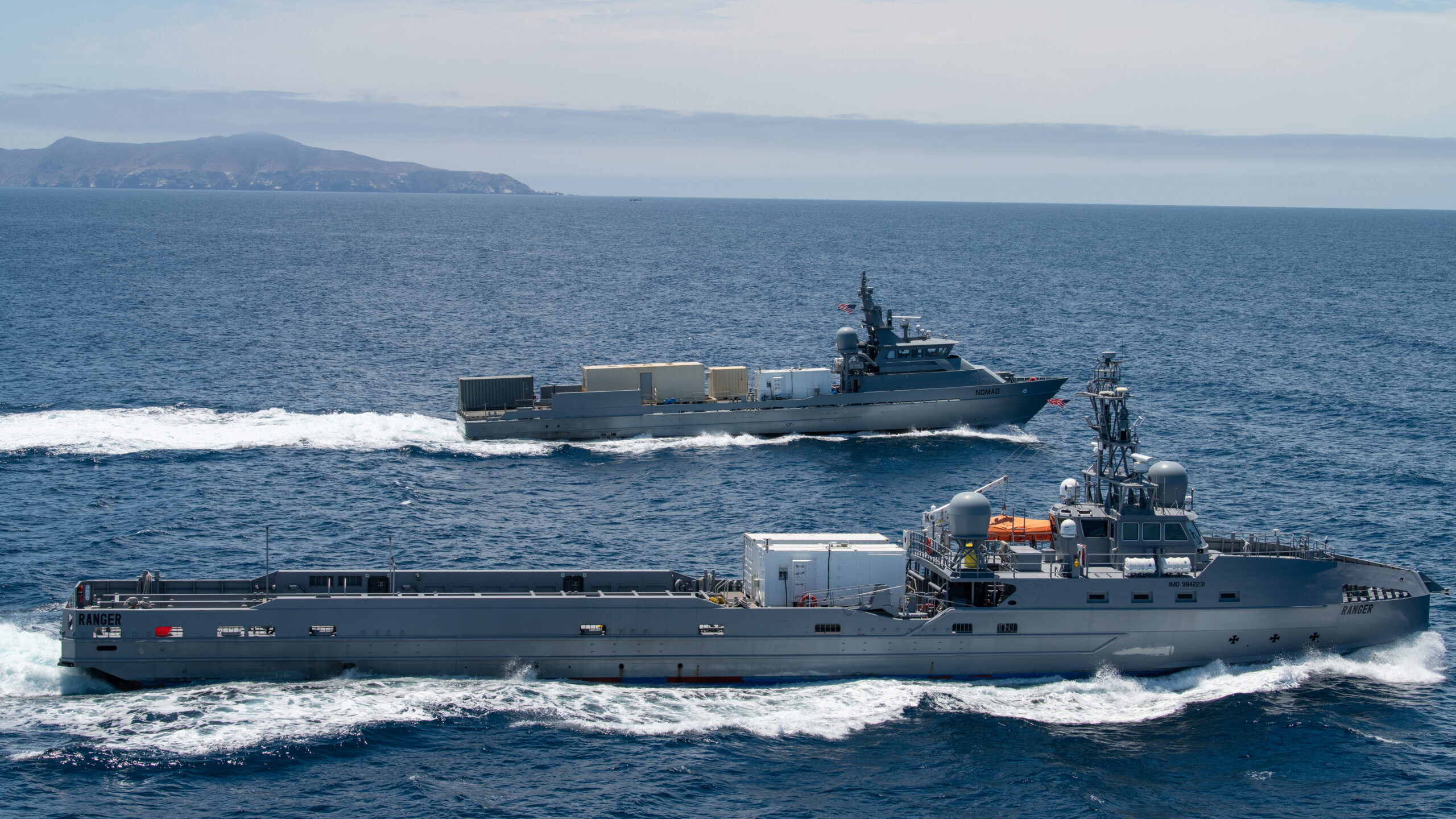
Overlord is the Pentagon's somewhat secretive USV development program to inform the technology and capabilities that will one day be aboard most unmanned Navy ships and subs.

Israel defense sources said that, in almost all aspects, the Sea Breaker is superior to any similar weapon system used now by the US Navy and that the missile’s price will be “much less” than the price of any similar, yet less capable, missile.

"It is too early to say where we will end up across that portfolio, but we are investigating a range of options via our prototyping efforts," Capt. Pete Small told the virtual Surface Navy convention


Cybersecurity skills must evolve in near-real time as Zero Day threats continue and AI provides new challenges.

"Some of these people may have been in these jobs too long," Navy Undersecretary Gregory Slavonic suggested of House and Senate Armed Services committee lawmakers, suggesting they should be subject to term limits.

Huntington Ingalls, best known for building the Nimitz and Ford-class carriers, amphibious ships and nuclear submarines, is taking notes on the Navy's new plans to build unmanned ships.

The Trump administration waited four years to come up with a plan to increase the size of the fleet, dumping it on the Pentagon's doorstep even as the moving vans were getting ready to pull up to the White House.
Today's deals for designs -- Large Unmanned Surface Vessels displacing 2-3,000 tons -- reflect the 'take it slow' approach being forced on the service.
Michigan’s defense ecosystem and expertise makes it a special asset for production.

Lawmakers “are frustrated by the Navy's last decade of cost overruns on new programs, programs being late, and technology being the thing that holds them up,” Bryan Clark of the Hudson Institute says.

“Last year we hired 1,800 people, which was the most hired for 30 years I think,” BIW President Dirk Lesko said. "We probably would have hired 500 or 600 more people last year if we could have.”
"We need to find a balance of vehicle designs that enables the cost to be cheap enough that we can afford them, but it's not so highly optimized towards the purely unmanned spectrum that it's cost prohibitive to maintain them."

The admiral in charge of building the future fleet says while he doesn't know how many ships the Navy needs, he's certain it will look vastly different from today's fleet.